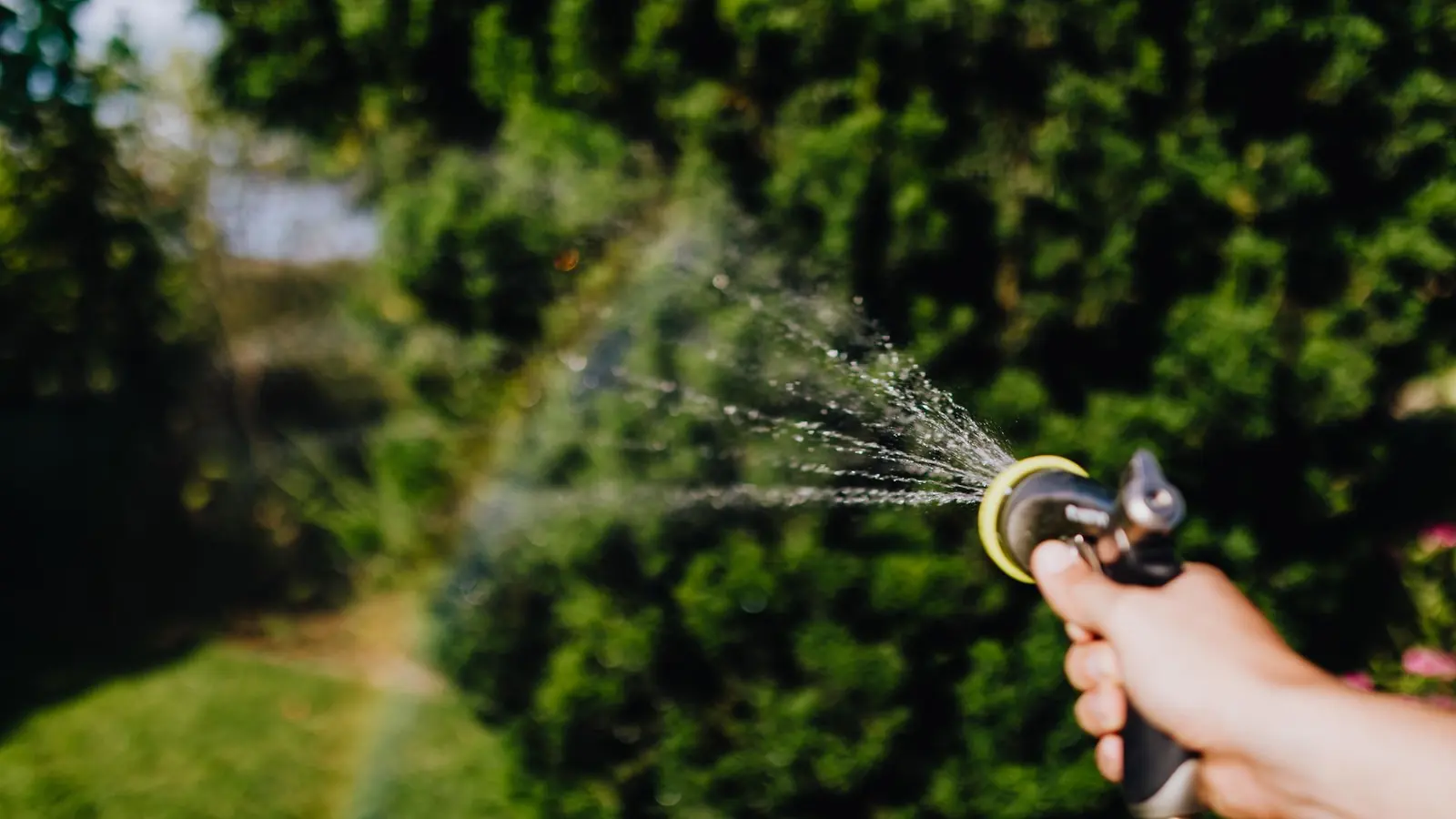
One of the most common things we see on service calls is a timer that was set once — often years ago — and never touched again. The result is a lawn that's soggy in one corner, brown in another, and a water bill that's higher than it needs to be.
There's no single right answer, because the Central Coast has several climates in a short drive. A yard in Monterey or Carmel sits in cool marine air and fog for much of the summer. Salinas is breezy and mild. Gonzales, Greenfield and King City get real heat, and so do Hollister, Gilroy, Morgan Hill and San Jose. The same schedule can't work for all of them.
Water deeply and less often. Short daily cycles keep roots shallow, and shallow roots dry out fast. Most lawns do better with fewer, longer waterings that soak the soil, so the roots grow down to where moisture lasts.
Water early in the morning. Before sunrise the air is calm and cool, so less water blows away or evaporates, and the grass dries off during the day instead of sitting wet overnight.
Use cycle and soak on slopes and clay soil. If water starts running down the sidewalk before the run time is over, split the run into two or three shorter cycles with a break in between so it has time to sink in.
Adjust with the seasons. Summer needs the most water; spring and fall need noticeably less; and in the rainy months many systems can be turned down or off. A quick change to the timer four times a year makes a big difference.
Check your local rules. Cities and water districts in our area sometimes limit which days or hours you can water, especially in dry years. Check with your water provider before setting a new schedule.
Not sure your system is set right, or seeing dry spots no matter what you do? That's often a broken head, a clogged nozzle or a zone that isn't covering the whole area. Call or text JR Landscape at (831) 205-9966 for a free estimate — we'll check every zone and set your timer for the season.